College of Natural Resources and Environmental Governance (NReg)

Our Mission Statement
To train and orient students in becoming competent, professional leaders in the fields of natural resources management, environmental governance, and sustainability. We aim to equip students with the knowledge, skills, and practical expertise necessary for impactful careers in environmental policy, conservation, and sustainable development, both in Ghana and globally. Through high-quality education, innovative research, and the application of cutting-edge technologies, NReg prepares students to address complex environmental challenges and contribute meaningfully to sustainable governance.
Projects we are focusing on
MINERALS MINING
AGRIBUSINESS
Understanding and protecting our water resources is essential for the health and well-being of our communities. As part of our commitment to environmental awareness and sustainable development, we explore the quality of water found in the rivers and streams that supply Kumasi and the surrounding districts. These water bodies play a vital role in daily life—providing drinking water, supporting agriculture, and sustaining local ecosystems—yet they face increasing pressure from urban growth, improper waste disposal, and changing climate patterns.
Our focus is to encourage students and community members to appreciate the importance of clean water and to understand the scientific methods used to assess water quality. This includes studying physical characteristics such as clarity and flow rate, testing for chemical parameters like pH, dissolved oxygen, and nutrient levels, and examining biological indicators that reveal the health of aquatic habitats. Through hands-on learning, field observations, and classroom discussions, students gain insight into how human activities influence water systems and what can be done to protect them.
By raising awareness and fostering environmental responsibility, we aim to inspire the next generation to take an active role in conserving our water resources. Ensuring clean and safe water for Kumasi and its neighboring districts is not only a scientific challenge—it is a shared duty that supports public health, economic development, and the future of our environment.
Agribusiness Education is dedicated to equipping students with quality skills and knowledge in agribusiness, irrespective of their socioeconomic background, gender, or location. The initiative partners with schools, educators, and industry stakeholders to deliver hands-on training, foster innovation in agricultural practices, and encourage parental involvement in nurturing students’ passion for agribusiness and sustainable agriculture.
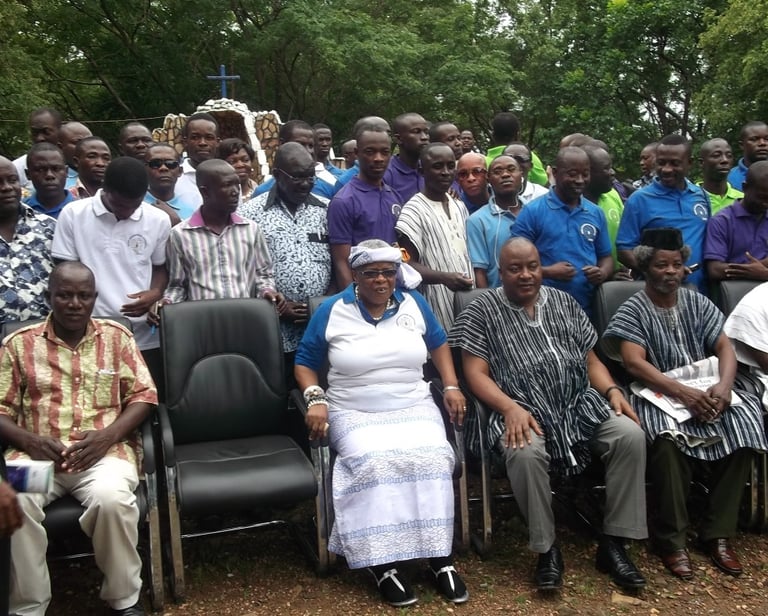
Mining Education commits itself to helping students gain quality training in minerals and mining, regardless of their socioeconomic background, gender, or geographic location. The organization works with schools, educators, and industry partners to provide practical learning opportunities and engage parents in supporting their children’s interest in mining and earth sciences.
WATER RESOURCES
CLIMATE CHANGE
Climate change is one of the most pressing challenges of our time, affecting communities around the world—including those in Ghana. As temperatures rise and weather patterns become more unpredictable, the impacts on agriculture, water resources, and rural livelihoods are becoming increasingly visible. Our school is committed to helping students understand these changes and preparing them to become informed stewards of the environment.
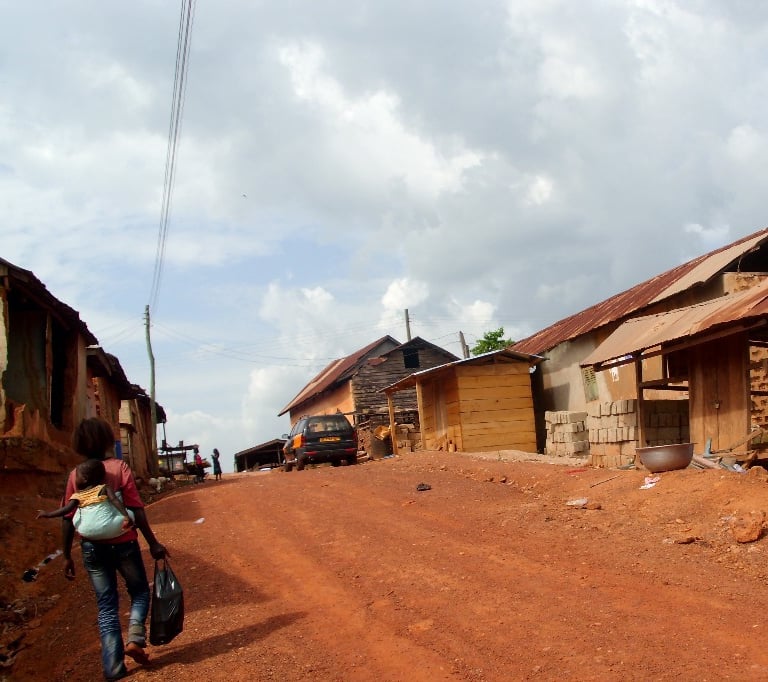
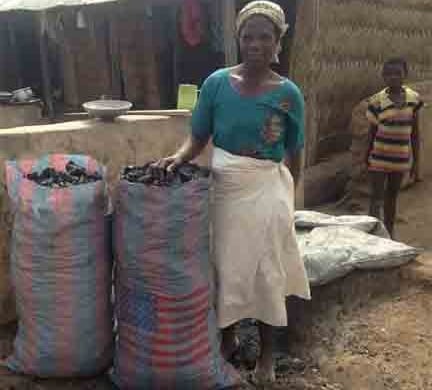
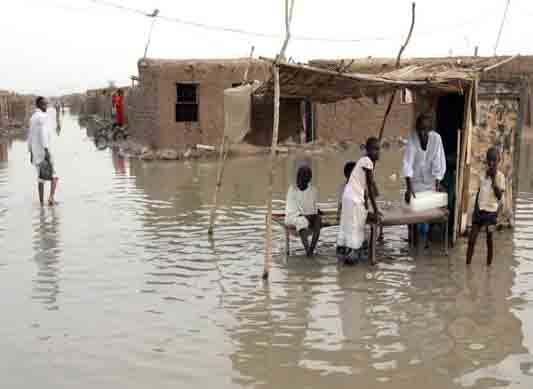
This theme focuses on exploring how shifting rainfall patterns, prolonged dry seasons, extreme weather events, and rising temperatures influence the way people grow food, manage water, and sustain everyday life in rural areas. Students learn how climate change threatens crop productivity, affects soil health, alters the availability of fresh water, and increases the vulnerability of rural households whose livelihoods depend on farming and natural resources.
Through research activities, field studies, and classroom projects, students investigate real-world examples of climate impacts and examine both local and global responses. They explore innovative adaptation strategies such as drought-resistant crops, improved irrigation techniques, water conservation practices, and community-based resilience initiatives. By analyzing scientific data, engaging with local experts, and developing problem-solving skills, students gain a deeper appreciation of the interconnectedness between the environment and human well-being.
By promoting climate awareness and empowering students with knowledge and practical skills, we aim to inspire actions that contribute to a more resilient and sustainable future. Understanding how climate change affects agriculture, water systems, and rural livelihoods is essential for protecting our natural resources and supporting the long-term prosperity of our communities.
Our partners