College of Natural Resources and Environmental Governance (NReg)
Environment and Conservation
Environment and Conservation
At the College of Natural Resources and Environmental Governance (NReg), Environment and Conservation lie at the heart of our mission to protect ecosystems, promote sustainable livelihoods, and strengthen environmental governance across Ghana and the African continent. Located in Kumasi—home to some of Ghana’s most ecologically significant forest landscapes—NReg is uniquely positioned to lead impactful research, education, and community partnerships that safeguard the environment for future generations.
Protecting Ghana’s Natural Heritage
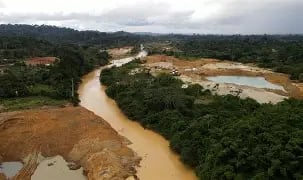
Ghana’s natural environments—from the moist semi-deciduous forests of the Ashanti Region to the savannah woodlands of the north—face increasing challenges such as deforestation, land degradation, biodiversity loss, pollution, and climate change. NReg works to address these issues through interdisciplinary research, experiential learning, and collaborative conservation initiatives that bring together students, scientists, traditional authorities, government agencies, and local communities.
Our Conservation Focus Areas
1. Forest Conservation and Restoration
Supporting reforestation and landscape restoration projects across the Ashanti Region, including community-based forest management initiatives.
Partnering with the Forestry Commission to restore degraded forests and protect reserves such as Bobiri Forest, Tano-Offin, and the Asenanyo River Forest landscape.
Promoting sustainable forest-based livelihoods that reduce pressure on natural ecosystems.
2. Biodiversity Protection and Ecological Research
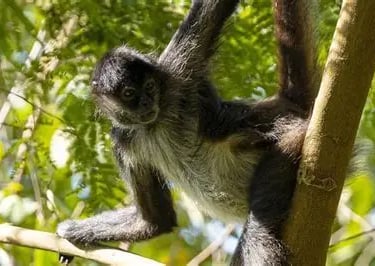
Conducting biodiversity assessments of flora and fauna in local forests, wetlands, and river systems.
Supporting wildlife monitoring and conservation education with local communities and schools.
Using field research to inform policy, conservation planning, and sustainable resource management.
3. Climate Change Adaptation and Mitigation
Researching climate impacts on agriculture, water systems, and rural livelihoods.
Promoting climate-smart agriculture, agroforestry, and community resilience strategies.
Supporting Ghana’s national climate commitments through education, outreach, and research.
4. Water, Land, and Ecosystem Management
Assessing water quality in rivers and streams that supply Kumasi and surrounding districts.
Promoting sustainable land-use practices that prevent erosion, pollution, and degradation.
Engaging communities in wetland protection and responsible watershed management.
5. Environmental Education and Community Engagement
Delivering awareness programs in schools on conservation, waste management, and climate action.
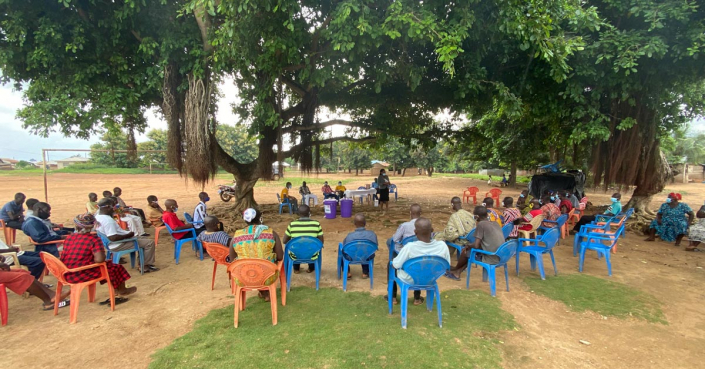
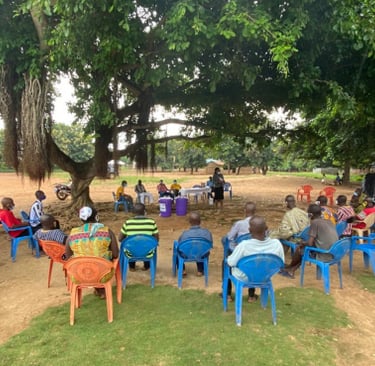
Facilitating community workshops on sustainable charcoal production, forest governance, and environmental rights.
Supporting youth-led green initiatives and eco-clubs across the Ashanti Region.


Working with Communities and Institutions
NReg strengthens conservation efforts through strong partnerships with:
The Forestry Commission and Wildlife Division
Ministry of Environment, Science, Technology and Innovation (MESTI)
Environmental Protection Agency (EPA) Ghana
Traditional authorities and community forest committees
NGOs, youth organizations, and schools
These partnerships ensure that conservation efforts are locally relevant, culturally grounded, and aligned with Ghana’s national environmental priorities.gion.
Why Environment and Conservation Matter
Environmental protection is essential to safeguarding biodiversity, ensuring food and water security, and supporting sustainable development across Ghana. At NReg, we believe conservation is not only a scientific responsibility but a moral and social one—rooted in respect for ecosystems, communities, and future generations.
Opportunities for Students and Stakeholders
NReg offers a range of academic and practical opportunities, including:
Field courses in ecology, forestry, and conservation science
Hands-on participation in restoration and biodiversity monitoring projects
Research placements in environmental agencies and conservation NGOs
Training in environmental policy, governance, and impact assessment
Volunteering programs that connect students with communities and natural landscapes
Through these experiences, students gain the knowledge and skills needed to become leaders in environmental conservation and natural resource governance in Ghana and beyond.